
The Emotional Language Black Women Were Never Taught

I knew how to say, “I’m fine.”
I knew how to keep going, show up for work, take care of my family, handle what needed to be handled, pray about it, push through it, and make sure everybody else was okay. What I didn’t know how to say was, “I’m overwhelmed. I’m scared. I need help. I don’t want to be strong today. I need someone to see me.”
Like so many Black women, I learned the language of survival long before I learned the language of my emotions. Nobody had to teach me how to be strong. Life did that. But who was supposed to teach me what to do with the grief underneath the strength, the anger beneath the silence, the fear underneath the independence, or the exhaustion underneath “I’m fine”?
When my mother died, I was sixteen.
I knew I missed her, I knew my life had changed, and I knew I was hurting. What I didn’t understand was what grief was doing inside of me or how it would eventually shape the way I attached to people, reacted to loss, made decisions, and tried to survive.
So I kept moving, and over time that became one of the things I knew how to do best. Life continued, and so did I, but grief doesn’t disappear just because you learn how to function around it. Mine followed me into adulthood and into relationships, showing up in ways I wouldn’t fully understand until years later.
I was afraid of being alone, and at the time I didn’t have language for how much that fear affected what I accepted, what I made excuses for, and how long I stayed in situations that were hurting me. I could understand someone else’s pain so deeply that I made room for behavior that was damaging me. I could see their wounds, their childhood, and the reasons they behaved the way they did, but it took me much longer to understand that compassion for someone else didn’t require me to abandon myself.
I survived domestic violence.
That sentence is simple now. Living through it wasn’t. There were patterns I didn’t recognize early enough because I didn’t yet have language for what I was experiencing. I knew when something felt wrong, but I didn’t always trust myself enough to act on it. I knew when I was hurt, but I had gotten very good at trying to understand the hurt instead of responding to what it was doing to me.
Eventually, I had to learn that understanding why someone hurts you doesn’t make the hurt acceptable. Loving someone doesn’t mean carrying responsibility for their healing, and having empathy doesn’t mean giving somebody unlimited access to you. Those lessons changed the way I saw relationships, but they also forced me to look at the relationship I had with myself.
By 2019, I had become very good at appearing functional while carrying more pain than I knew how to hold. I attempted suicide. When people hear that part of my story, their attention naturally goes to the attempt because crisis is visible. It gives us a moment we can point to and say, “That’s when something went wrong.” But my crisis didn’t begin that day.
There was an emotional progression before it. There was grief and fear, exhaustion and disconnection, along with pain I didn’t know how to communicate. I didn’t always know how to tell someone what was happening inside of me or how to ask them to help me carry it. And at the same time, there was still a version of me showing up in the world.
That’s the part I think we miss when we talk about mental health. Someone can be functioning and still be falling apart. They can laugh with you, answer the phone, go to work, take care of their children, show up for everybody else, and still not have the words to explain what’s happening inside of them.
After my suicide attempt, I was hospitalized. My aunt and friends came to see me, and their presence mattered because there’s something powerful about being reminded that your life still belongs to a community even when you’ve lost sight of your place in it. Then two members of Emotions Anonymous came to visit me, and they brought me an Emotions Anonymous book. What stayed with me wasn’t pity. It was recognition. They understood something about emotional pain without looking at me like I had suddenly become somebody to fear, and that mattered.
I started attending Emotions Anonymous and eventually worked through the steps. Along with therapy and a lot of reflection, that community helped me begin doing something I had never really learned how to do consistently, which was name what I was actually feeling. Not just “good” or “bad.” Not just “fine” or “stressed.”
I started looking underneath my reactions and asking myself harder questions. Was I angry, or was I hurt? Was I really independent, or was I afraid to need somebody? Was I holding on because I loved someone, or because losing them activated something much older in me? Was I setting a boundary, or waiting until resentment built so high that I exploded? Those distinctions started changing my life. Emotional literacy gave me language for experiences I had previously understood mostly through behavior, and once I could name more of what was happening inside of me, I could make different decisions about what happened around me.
It changed what I believed, what I tolerated, what I communicated, and what I chose. And it became much harder to abandon myself while calling it love, loyalty, strength, or survival.
Black women learn how to function in so many ways before anybody teaches us how to understand ourselves emotionally.We learn how to survive loss, keep the family together, work through pain, walk into a room and do what needs to be done, be dependable, pray, endure, and keep moving. Those skills have carried generations of us through circumstances that demanded resilience, but survival language has limits.
“I’ll be okay” doesn’t always tell the truth. “I’ve got it” can become a wall, and “I’m fine” can hide an entire emotional world that nobody else knows how to enter. Learning emotional language didn’t make my life painless. What it did was make me more honest inside of my own life.
Now I can notice when something hurts before I convince myself that it shouldn’t. I can ask for support before I’m drowning. I can recognize when fear is influencing a decision, set a boundary without first proving that I’ve suffered enough to deserve one, and love somebody while still being willing to leave what is harming me. I also understand now that strength and support were never opposites.
I spent years learning this language after my life had already been shaped by not having it. Now I teach it earlier because I know what can happen when pain has no language. I know what it feels like when survival becomes so familiar that you stop realizing how much you’re carrying, and I know the difference it can make when somebody finally has enough language to say, “This is what’s happening to me. This is what I need. I need help.”
I can’t go back and give sixteen-year-old me the words she needed when her mother died. I can’t go back and teach earlier versions of myself what I know now about grief, fear, relationships, boundaries, emotional safety, or asking for support. But I can give that language to somebody else sooner. Before silence becomes survival. Before pain starts making decisions for them. Before crisis becomes the first time anybody realizes they were hurting.
And maybe that’s part of what healing out loud means for me now. It isn’t just telling the story of what I survived. It’s making sure survival isn’t the only language somebody else knows.
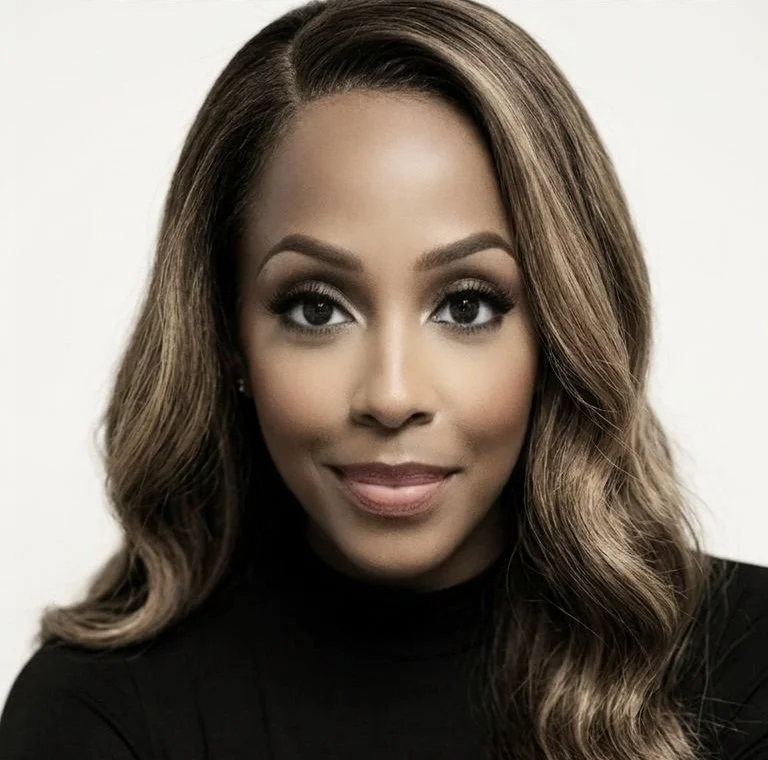
Keana Shatteen
Keana Shatteen is an Emotional Literacy Speaker & Educator who teaches individuals and organizations how to recognize what they're feeling, communicate clearly, and respond with intention instead of reaction.
YouTube Channel:
https://youtube.com/@ksempowerment?si=mSM4w2IOGJ6WpWRV
Instagram: instagram.com/iamkeanashatteen
Facebook: facebook.com/iamkeanashatteen
Personal Motto
Before it starts in the head, it starts in the heart!
Read More from Keana
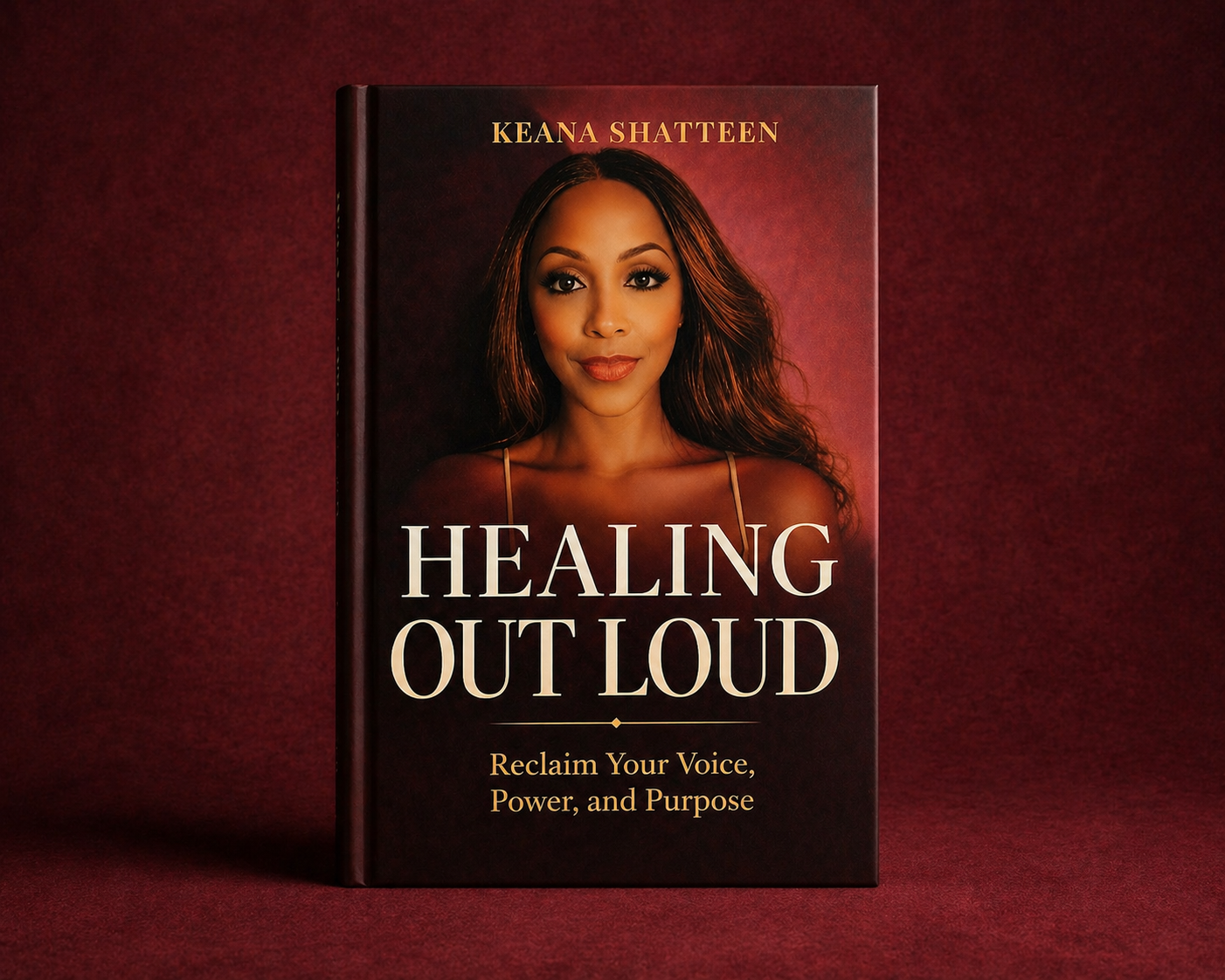
Healing Out Loud:
Reclaim Your Voice, Power, and Purpose
This isn't just my story. It's the framework behind everything I teach.
Get the practical tools you need to recognize emotional patterns, develop language for honest communication, and rebuild self-trust.